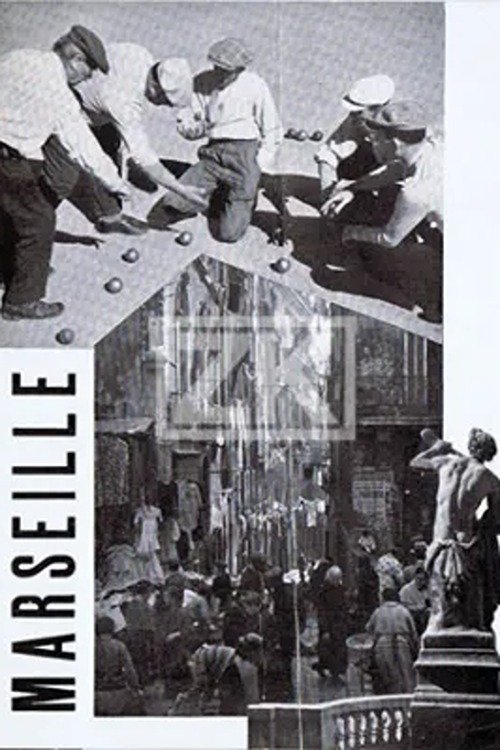
Marseille
剧情简介
The first movie of the "Berliner Schule" ("La Nouvelle Vague Allemande" Cahiers Du Cinema) that gained international recognition with it being screened in the "Un certain regard"-section of Cannes Film Festival 2004. After the very sparse white on black of the opening credits we see the back of Sophie's head. She's in a car, she speaks awkward French, the woman who drives gets out, gets her a map, of Marseille. We learn, very soon, that they are exchanging apartments, the other woman, her name, we learn later, is Zelda, will go to Berlin and Sophie will stay, for a few weeks, in Marseille. Zelda says: Guten Tag, Auf Wiedersehen, Mein Freund, der Baum, ist tot - the latter phrase being a German song by a German singer who died young. Zelda disappears, Sophie stays. Zelda very literally disappears because there won't be a trace of her when Sophie will return to Berlin. The Marseille apartment, empty, unlived in as it is, will have been a gift, something inexplicably given in a film that ends with something - almost a life - taken. Sophie, for the first third of the film, is in Marseille. She walks around, she takes pictures. She looks at the pictures, she moves without a direction, the camera is with her, sometimes distant, sometimes following her closely. Sophie is a stranger in a strange world, she sometimes seems cut off from her surroundings. We hear sounds, we see her face but the background is blurred. She does not seem unhappy, she does not seem happy. She does not talk much and she always thinks for a long time when she is asked. In the end she will be asked what it is she photographs. She will think for half a minute (or perhaps she does not think, but simply refuses to answer, to herself, to the policeman who asks) and then she says: The streets. We do not know much of her and we do not learn much of her in these minutes we spend in Marseille, walking around with her. She meets a young man from a garage, who lends her his car, she drives around, which we don't see. There is a lot we don't see - although it takes some time to realize how much. She meets the young man in a bar, they drink, a friend arrives who insults Sophie, for no reason. Sophie and Pierre, the young man, walk up in a street that is lit in brownish golden light and they sleep with each other, which we don't see (and, really, don't know). The next night they dance. One very sharp cut later Sophie is back in Berlin, she is approached by a young woman who returns a cap to her, a cap she has left in a McDonald's restaurant before she went to Marseille. There is more she has left, or rather: she has run away from. (At least this is what can - but does not have to be - inferred.) There is Ivan, a photographer she might be in love with. There is Hanna, an actress, Ivan's girl friend, their son Anton. We learn more about Ivan, we learn more about Hanna. We see Ivan taking pictures of women workers in a factory, without an explanation. We just see and watch. We watch the women from a sidewards angle, then we watch Ivan taking the pictures, then we watch the woman from Ivan's perspective. They talk, but not much. We just hear and see and watch. There is a lot we see - although it takes some time to realize how much. We are left with these images. They remain unexplained and they don't explain what we see. "Marseille" has a bewildering structure, switching from the elliptical cut (shocking, really) to the insistent gaze (frustrating first, but amazing after all). For ten minutes, at least, we watch a rehearsal. Hanna plays a minor role in a Strindberg play. The same scene is rehearsed three times. We watch the man talking to the woman in an aggressive Strindberg way and we see Hanna entering the stage. Then the camera moves to the left and we watch the woman answering to the man in an aggressive Strindberg way. This time we don't see Hanna entering the stage. When leaving she makes a mistake, she adds a word that does not belong in her line. We see her then off stage, cowering. Hanna is not happy. She is not happy with David, she suffers from unexplainable pain. We do not learn much more about her. Sophie is out of sight for quite some time. We start doubting if this is really her story we are told. Oh yes, it is, but Schanelec refuses to follow her and her story in linear fashion. Ivan's taking of pictures, Hanna's rehearsal become important, not so much as explanations for their behaviour, just as the parts of their lives Schanelec has decided to follow. Sophie then returns to Marseille and after the most daring ellipsis we see her at a police station, in a yellow dress. She sits, then she talks, then she does not talk for half a minute. She is asked what it is she photographs. The streets, she says after what seems a very long time. She cries. We see her on a sidewalk, the camera moving parallel to her. She crosses the street, the camera remains on the sidewalk, Sophie is moving away from it. Then she stops and the camera stops. She enters the German consulate. In Schanelec's (and cinematographer Reinhold Vorschneider's) films you see the most intelligent and subtle travellings imaginable - and even mor effective as they starkly contrast with a lot of very long, very static takes that just make you watch and see. "Marseille" ends with a series of takes on the beach. It is getting dark, the streetlamps are switched on. We see Sophie in her yellow dress, distant, moving, we see the sea and there is a strange kind of consolation in this image of the dress, Sophie, the sea.
导演
Jean Margueritte Jean Monti
编剧
Arno-Charles Brun
详细剧情
马赛位于地中海沿岸,市区三面环山、一面靠海,城市自老港向内陆区域延伸,市镇面积达240.6平方公里。马赛是法国艺术与历史之城,公元前六世纪就已有建城记载,被认为是法国最古老的城市之一。马赛在中世纪时为重要的宗教中心,近代因港口而吸引了大批移民,现为法国南部的政治、经济、科教、医疗、文化中心,艾克斯-马赛大学是法国乃至法语区规模最大的高等教育机构。马赛是世界水资源协会的总部所在地,是法国最大的港口城市,在2014年以前,马赛亦是地中海沿岸最大的港口。
马赛是法国重要的旅游城市,因当地温暖的气候和充足的日照而闻名,被称为“阳光大道”的法国A7高速公路直通马赛市中心,市区内亦有大量历史建筑。马赛也因同名足球俱乐部而闻名,后者是法国首个获得欧洲冠军联赛总冠军的球队,此外齐内丁·齐达内的标志性的过人动作被称为“马赛回旋”。在艺术方面,法国作家安托南·阿尔托和埃德蒙·罗斯丹出生于马赛,另有大批文学及影视作品取材于此。2013年,马赛获得“欧洲文化之都”的称号。
== 地名来源 ==
“马赛”一名来源于其在古典时期的名称“马萨利亚”(拉丁语:Massalia;希腊语:Μασσαλία),其来源尚存在争议。根据历史文学家保罗·马里耶东的推断,该名称可能与古希腊的某个神话人物有关。也有史学家认为马萨利亚来源于古奥克语“Mas-Salia”,意为“萨利人的山丘”,而萨利人正是高卢时期生活于此的一支土着部落,其都城昂特勒蒙位于普罗旺斯地区艾克斯境内,距离马赛市区不到20公里。
马赛在奥克语中写作“Marselha”。
== 历史 ==
马赛是法国艺术与历史之城,其境内的科斯凯尔溶洞中发现了史前壁画,其年代距今约2.7至1.9万年。
=== 古典时期 ===
马赛的建城史始于公元前六世纪,是法国可考证的建城历史最长的城市之一。彼时,罗讷河口左岸的卡马格及沿海区域为高卢部落塞戈布里热人的活动范围。公元前600年左右,一支来自福西亚的古希腊部落在此驻扎,“马萨利亚”一名最初在公元前五世纪被记载,此后长期是一个自给自足的贸易港口城市。在希腊文化的影响下,马萨利亚还出现了讲堂,出生于马赛的皮西亚斯在此接受教育,后成为了欧洲重要的古典地理学家和航海家。古希腊历史学家查士丁在其《腓利史概要》(Abrégé des histoires philippiques)中对马萨利亚有着这样的记载:
公元前二世纪后,马萨利亚周边的利古里亚以及凯尔特人逐渐扩大活动范围…
热门推荐
操
纪录
战争生活
纪录
Manshow
喜剧
众目睽睽
纪录

美国古董修复大师
真人秀
影响电影界的七十年代
纪录
约翰·福特执导
纪录
冷岸
犯罪 | 剧情 | 悬疑
选角大师
纪录

En ligne
真人秀
当我往前走之时偶尔会瞥到一缕美丽之景
纪录
走近蓝色海岸
纪录

三重战士
剧情
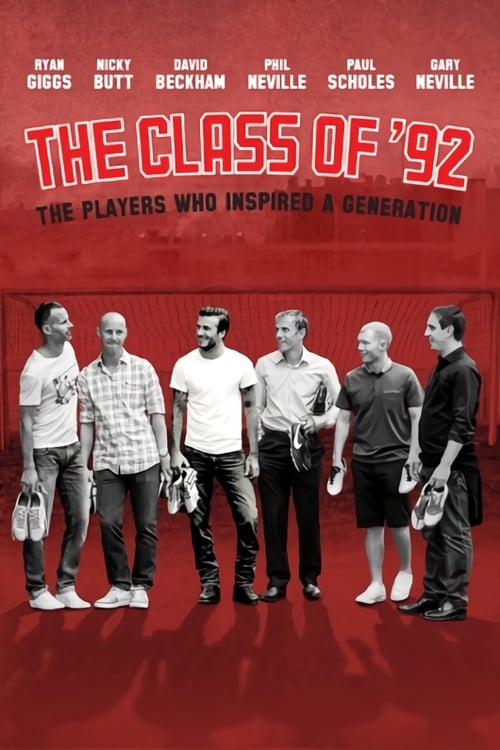
92班
纪录
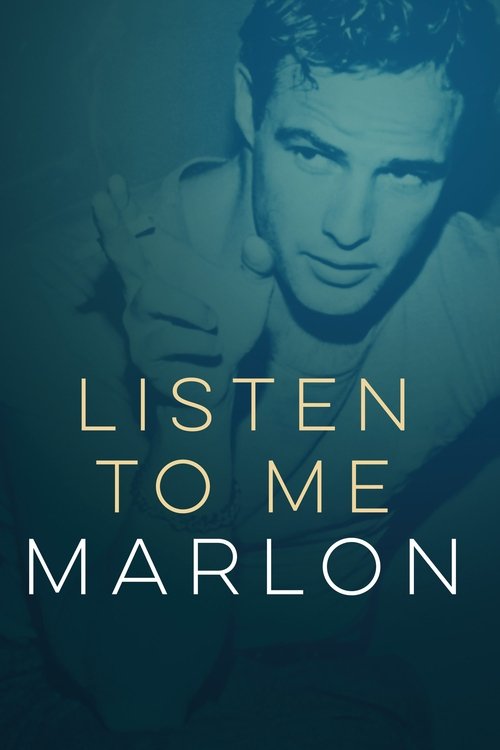
马龙,听我说
纪录
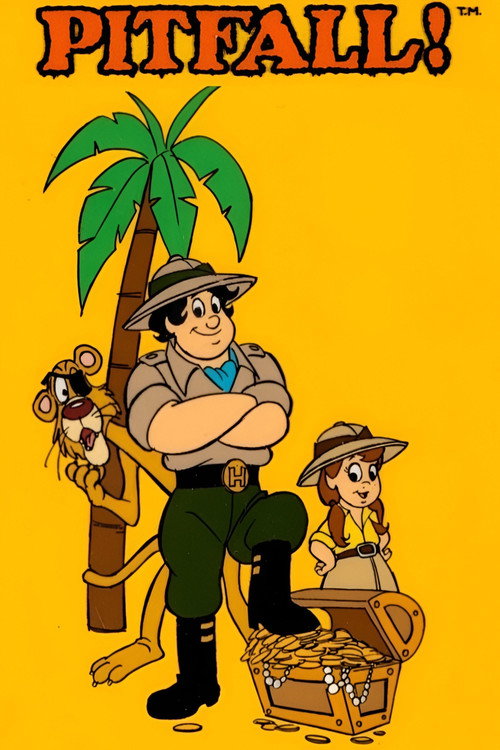
Pitfall
儿童 | 喜剧
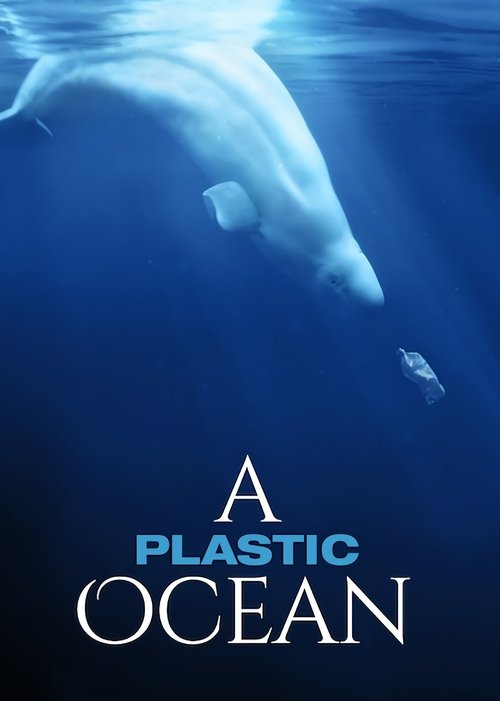
塑料海洋
纪录
本杰明·巴顿奇事的诞生
纪录
Aquaman: Heroines of Atlantis
纪录
成为詹姆斯·邦德:丹尼尔·克雷格的故事
纪录
《蜘蛛侠:英雄无归》的幕后特辑
纪录
西德尼
纪录

阿凡达:深入潘多拉
纪录

安娜·妮可·史密斯:你们不了解我
纪录

我的妈妈,简
纪录
约翰·坎迪:我喜欢我
纪录