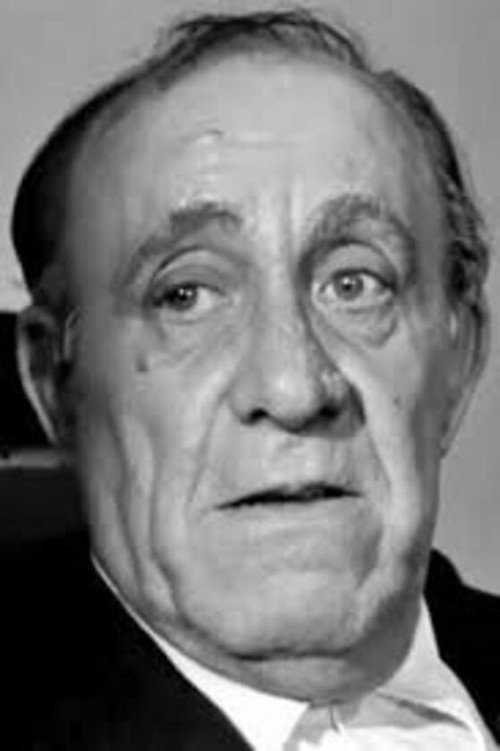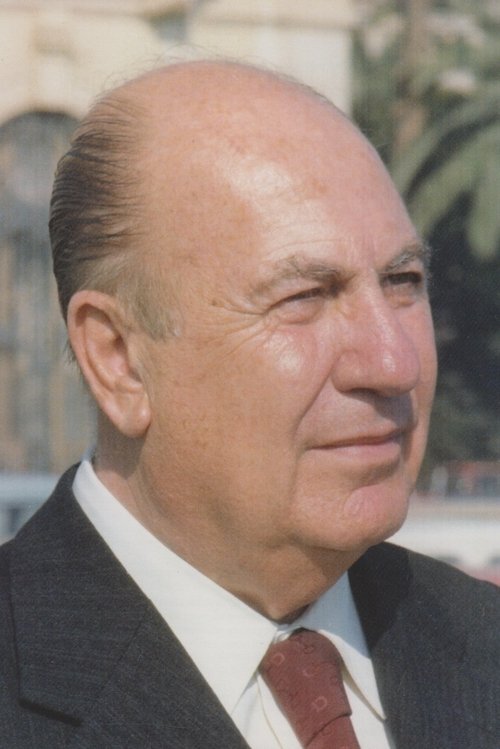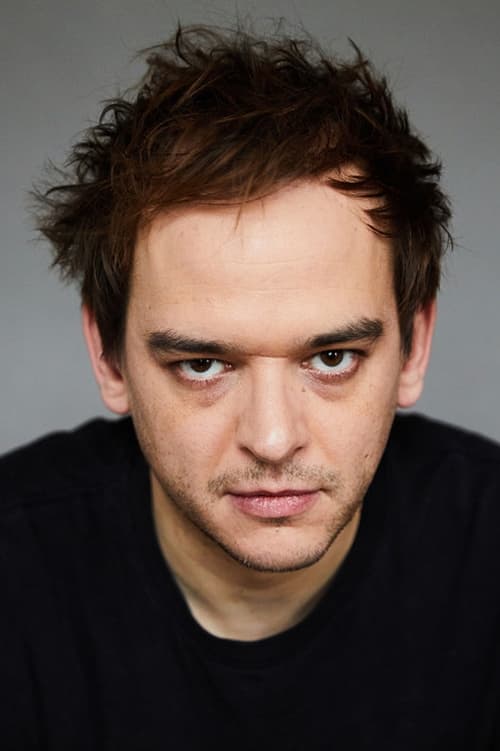
Miguel Ángel Rodríguez
个人简介
Miguel Ángel Rodríguez Echeverría (born 9 January 1940) is a Costa Rican economist, lawyer, businessman and politician who served as the 43rd President of Costa Rica from 1998 to 2002. A liberal member of the Social Christian Unity Party, he has remained active as a writer and columnist since leaving public office. Before the presidency, Rodríguez served as Minister of Planning from 1968 to 1970 and as Minister of the Presidency in 1970 during the administration of José Joaquín Trejos Fernández. He was also a member of the board of the Central Bank of Costa Rica from 1966 to 1969, and served as a deputy in the Legislative Assembly of Costa Rica from 1990 to 1994, including as president of the assembly from 1991 to 1992. In 2004, Rodríguez was elected Secretary General of the Organization of American States. He later voluntarily resigned from the post to return to Costa Rica and face allegations of financial misconduct related to his presidential administration, including accusations that he had received bribes from the French company Alcatel in connection with telecommunications contracts. On 27 April 2011, he was sentenced to five years in prison. However, the ruling was overturned in December 2012 by an appeals court, which acquitted him of all charges. Rodríguez was elected to the presidency with an agenda that included opening state-run monopolies in insurance and telecommunications, restructuring the public sector through a greater private-sector role in infrastructure, trade liberalization, and the expansion and modernization of the welfare system. Proposed reforms to the insurance and telecommunications sectors provoked the 2000 Costa Rican protests and were abandoned at the time, though similar measures were later implemented after Costa Rica joined the CAFTA-DR in 2009.
相册
所有作品
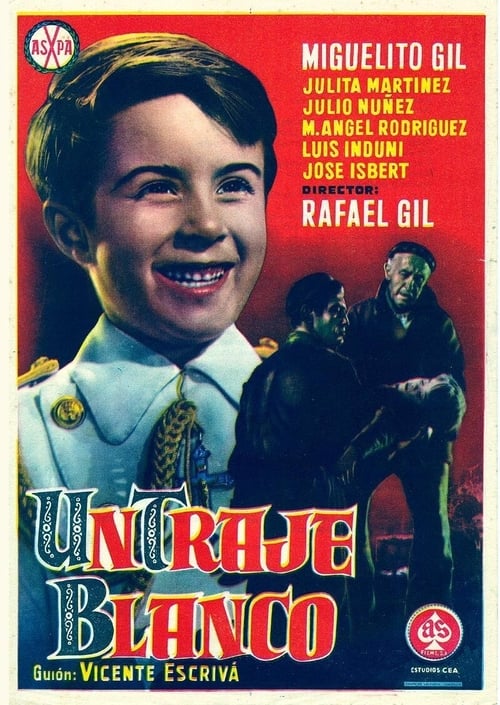
Un traje blanco
喜剧
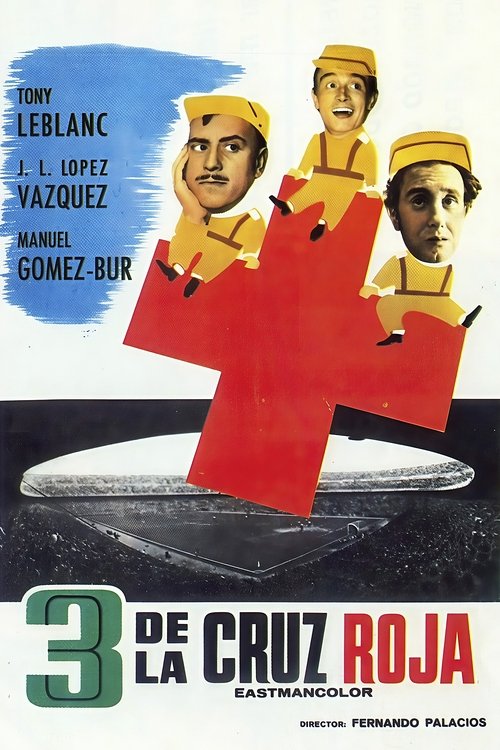
Tres de la Cruz Roja
喜剧
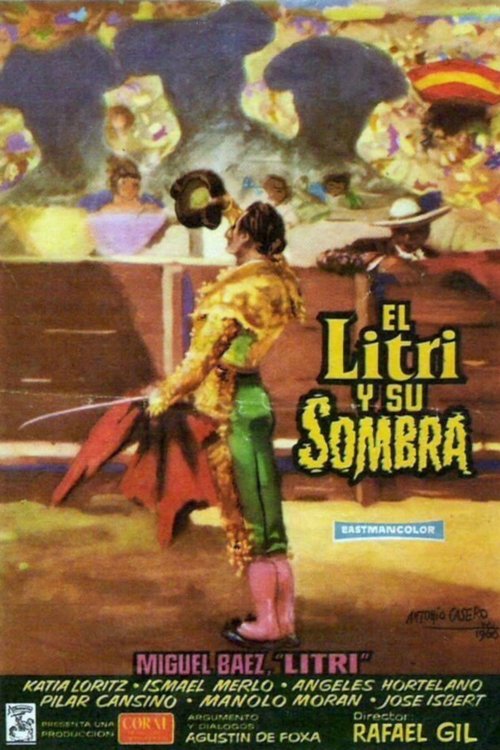
El Litri y su sombra
剧情
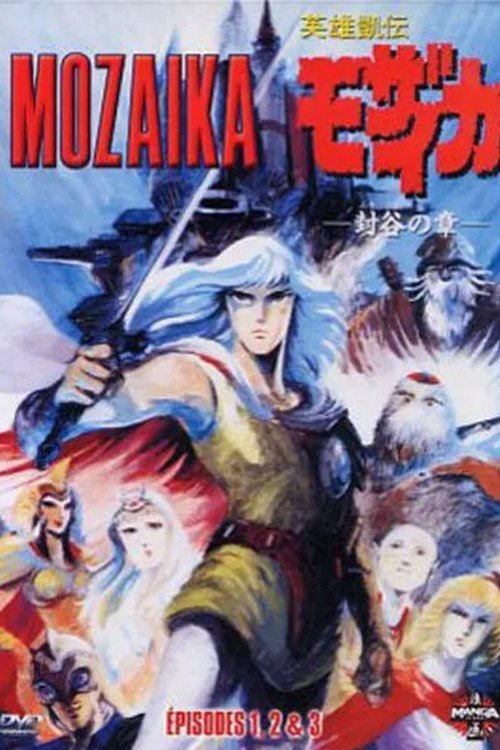
英雄凯传
动画 | Sci-Fi & Fantasy
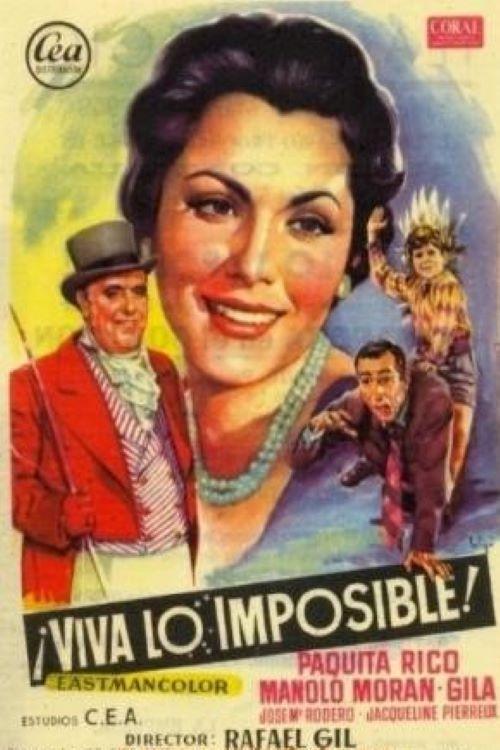
¡Viva lo imposible!
喜剧
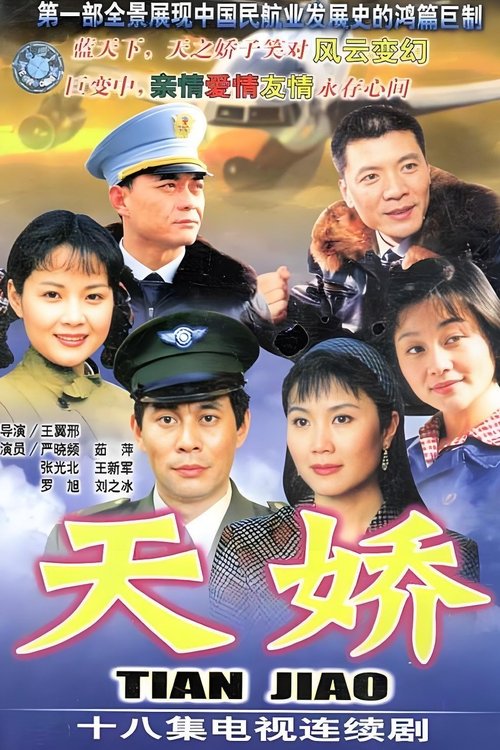
天娇
剧情

El Tigre de Chamberí
喜剧

Dolorès, la malédiction du pull-over rouge
纪录
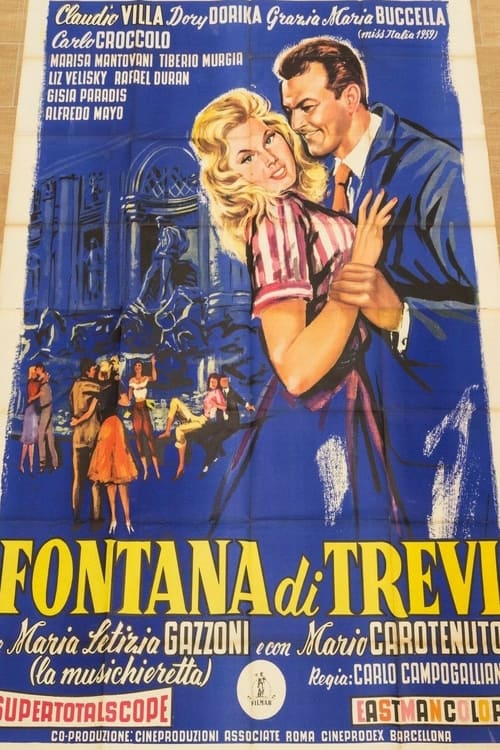
Fontana di Trevi
喜剧 | 音乐

颅骨印记
剧情 | 悬疑 | Sci-Fi & Fantasy
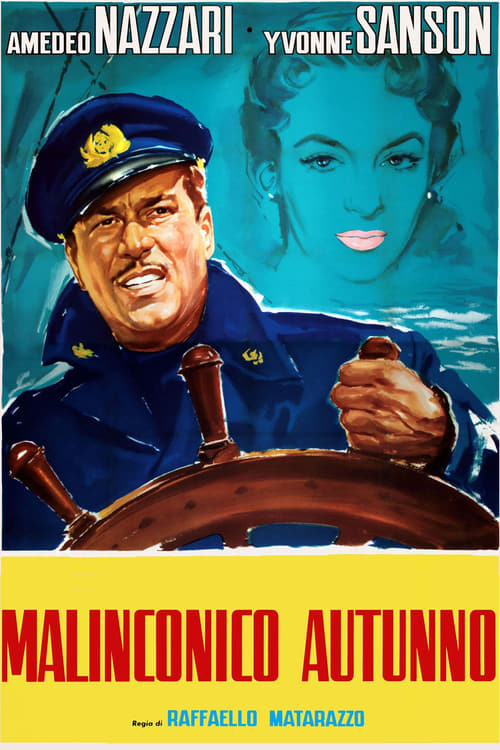
Malinconico autunno
剧情 | 犯罪

Die Beschatter
犯罪 | 喜剧
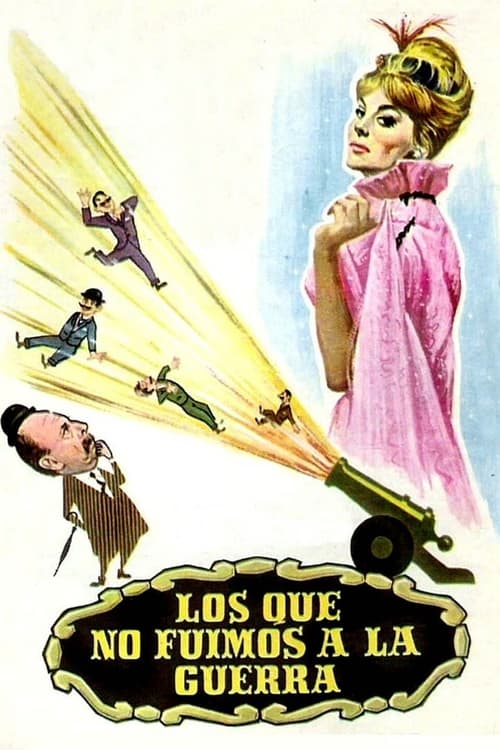
Los que no fuimos a la guerra
喜剧
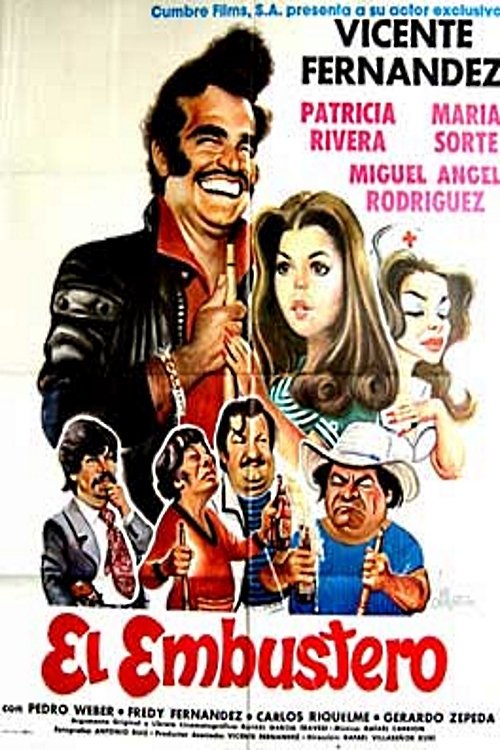
El Embustero
喜剧 | 冒险 | 剧情
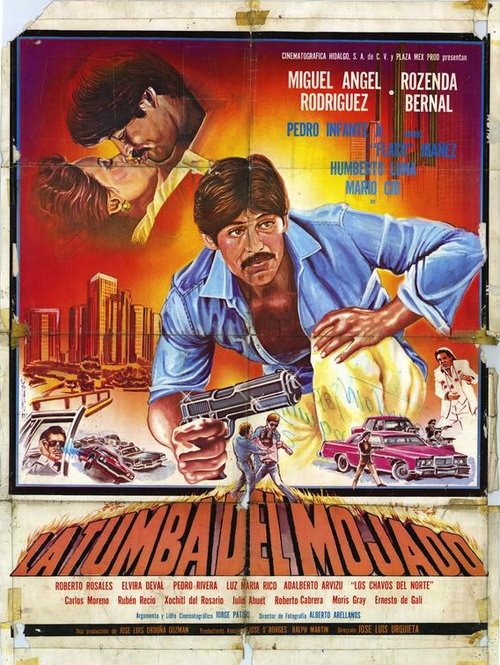
La Tumba Del Mojado
动作 | 剧情 | 惊悚
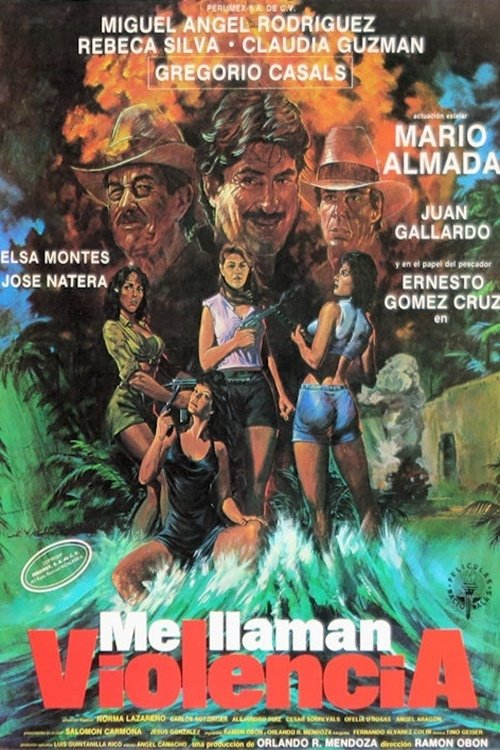
Me llaman Violencia
动作
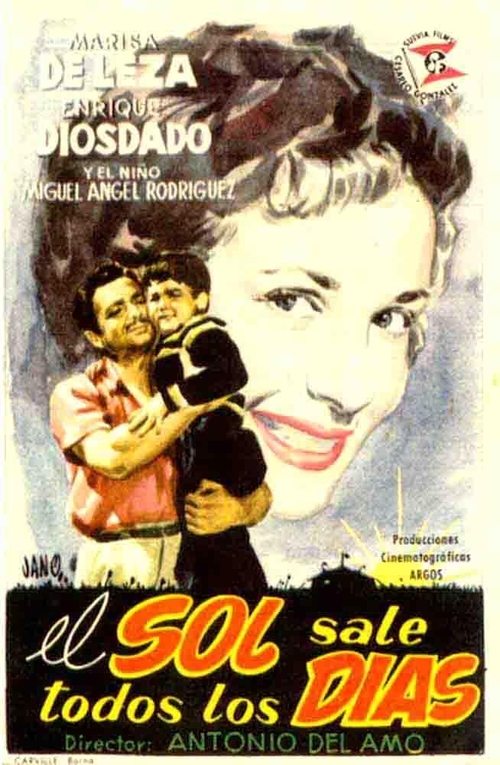
El sol sale todos los días
喜剧
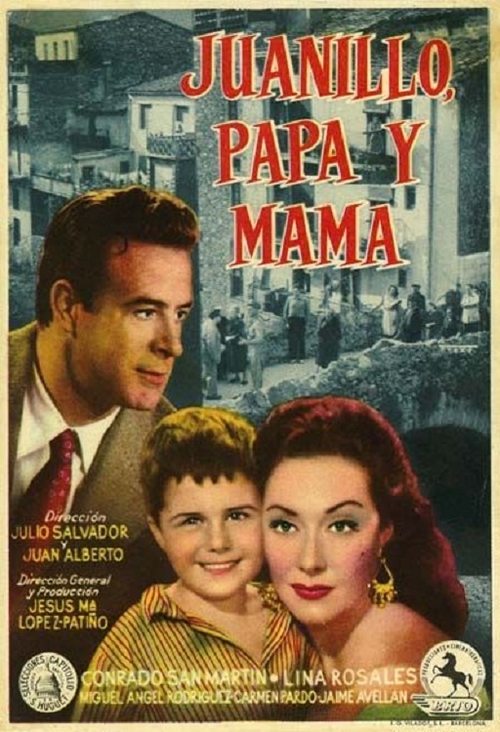
Juanillo, papá y mamá
喜剧 | 剧情
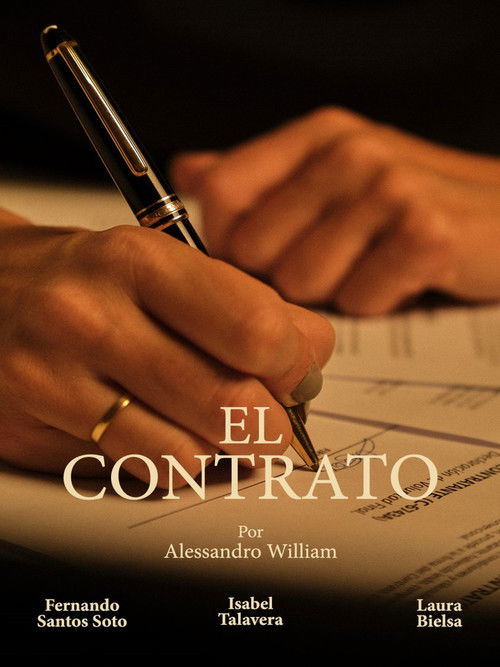
El Contrato
剧情